
This data is for informational purposes only and does not constitute legal or veterinary advice. Requirements can change without notice. Always verify current rules with your local veterinary authority, the official government portal of your destination country, and a licensed vet in the origin country before travel. Wiggly Tails accepts no liability for outdated or incomplete information.
This guide is for informational purposes only and is not legal advice. Requirements can change without notice. Always verify current rules with your local veterinary authority, the official government portal of your destination country, and a licensed vet in the origin country before travel. Wiggly Tails accepts no liability for outdated or incomplete information.
Greece has a large and well-documented stray dog population, particularly on its islands — Crete, Lesvos, Samos, Corfu, Rhodes, and dozens of smaller islands sustain significant stray populations that are the focus of many active rescue organisations. Greek rescue dogs are rehomed across Europe, but the route to Sweden is the most complex of all EU-to-EU adoption corridors. Sweden requires a mandatory rabies antibody titer test (adding approximately 4–5 months to the timeline compared to other corridors) and a mandatory Echinococcus tapeworm treatment administered 1–10 days before entry. Combined with Greece's very high vector-borne disease burden — including among the highest Leishmania rates in Europe — this corridor demands careful planning and cannot be rushed.
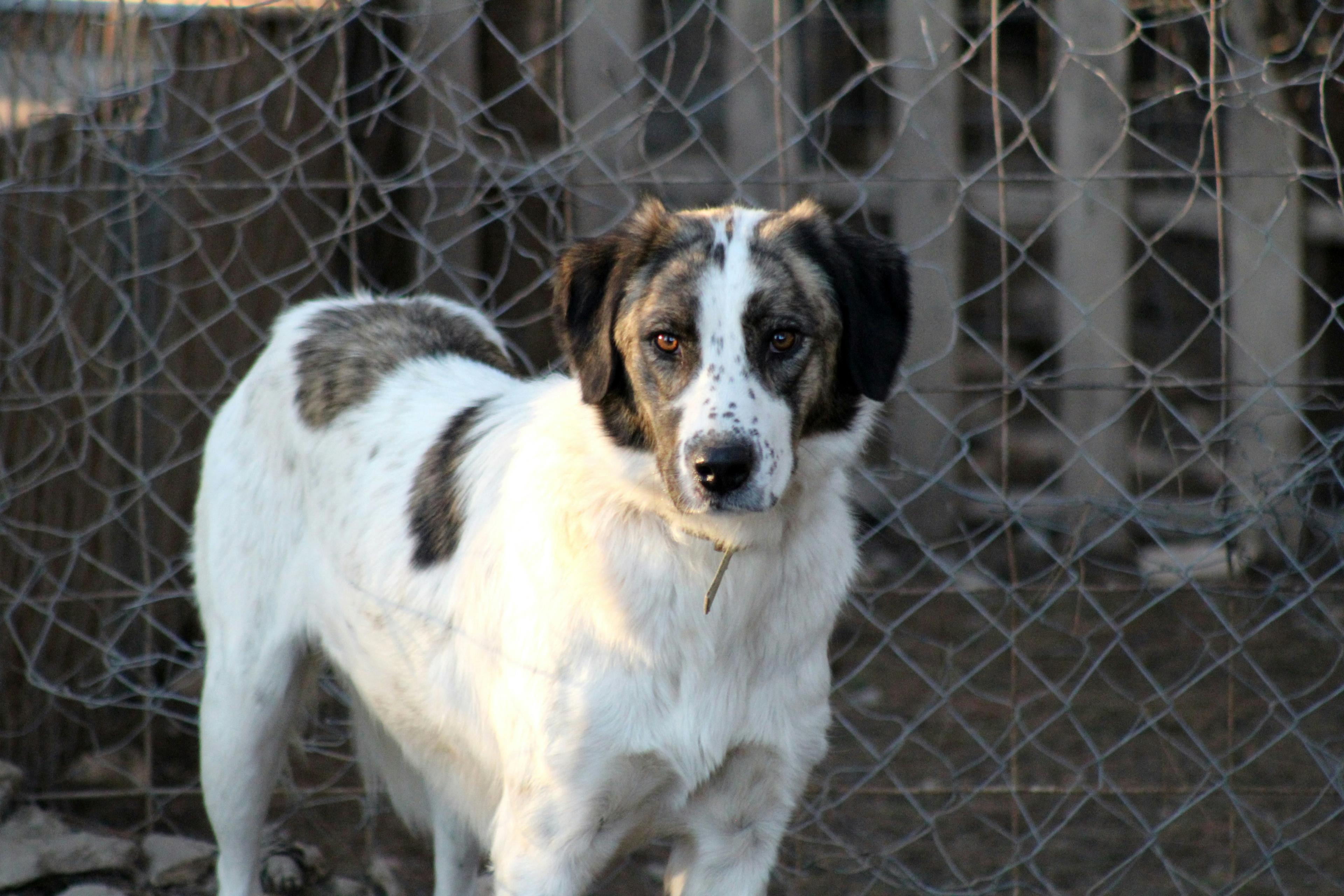
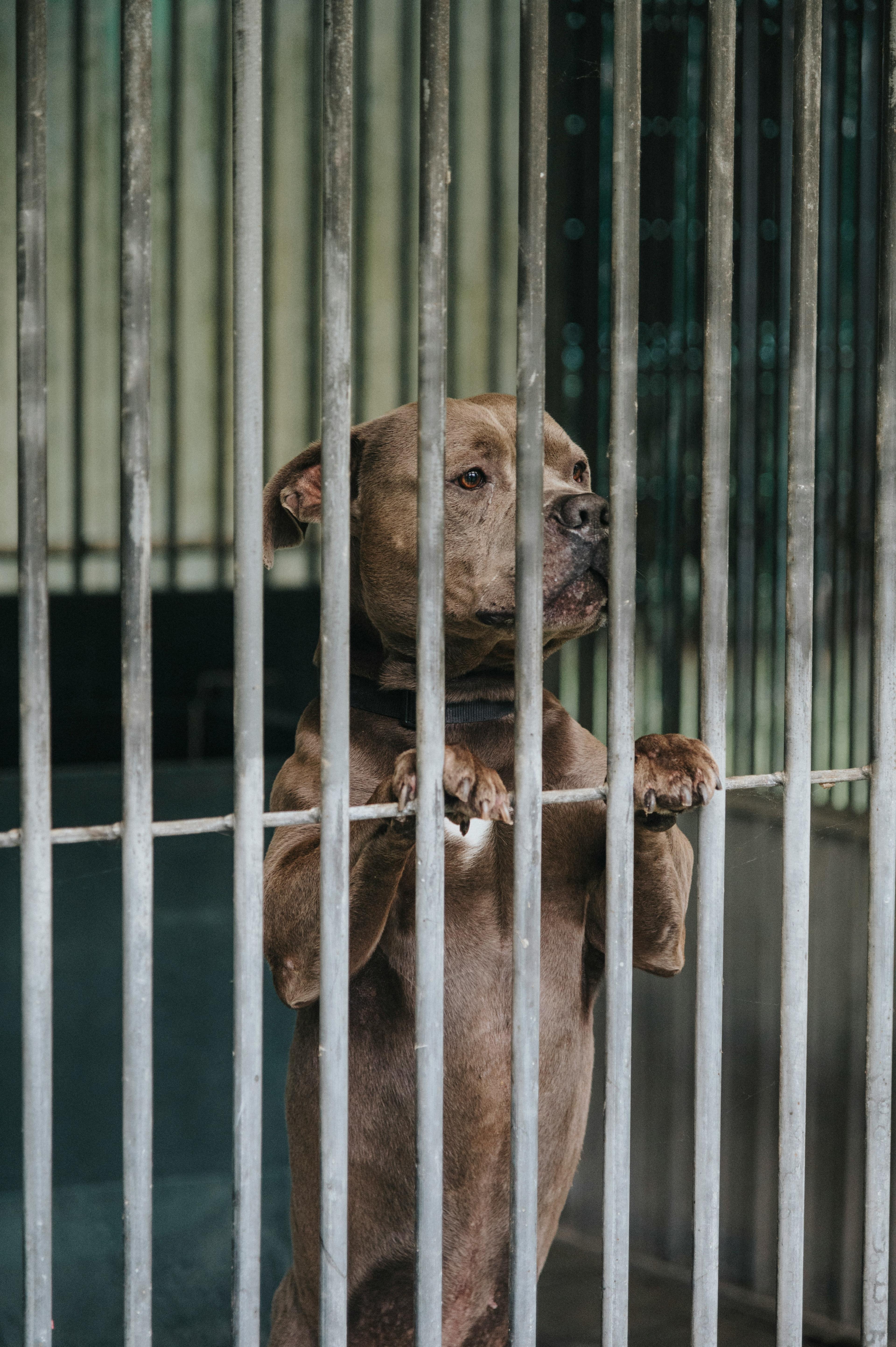
Browse verified Greek rescue organisations and meet island and mainland dogs looking for homes in Sweden. Every dog on Wiggly Tails has a full profile with photos, health status, and behavioural notes — so you can find the right match before you commit.
---
*Last reviewed: April 2026 | Sources: EU Commission (Regulation 576/2013, 577/2013), Jordbruksverket (Swedish Board of Agriculture), Swedish Customs (Tullverket), ESCCAP Guidelines, Solano-Gallego et al. (Leishmania prevalence in southern Europe), Merck Veterinary Manual*
Must comply with ISO 11784/11785. Must be implanted BEFORE rabies vaccination so the chip number is recorded on the vaccination certificate.
Primary vaccination must be given after 12 weeks of age and at least 21 days before travel. The vet records the microchip number at the time of vaccination.
Issued by an authorised veterinarian in Greece. Contains microchip number, rabies vaccination record, owner details, and vet signature. This is the dog's official travel document within the EU.
Dogs must be at least 15 weeks old to travel: 12 weeks (minimum vaccination age) + 21 days (immunity development).
Non-commercial movement allows a maximum of 5 pets per accompanying person. More than 5 requires commercial transport procedures (TRACES registration).
Sweden requires proof that the rabies vaccination is effective. A blood sample must be taken from the dog at an EU-approved laboratory and must show a titre level of ≥0.5 IU/ml. The blood sample must be taken NO EARLIER THAN 30 days after the rabies vaccination and the dog must wait at least 90 days after the sample date before entering Sweden (total waiting period from vaccination: approximately 120 days minimum). The test must be done at an EU-approved laboratory — results must be available and recorded in the EU Pet Passport. Plan this step well in advance.
account_balanceSwedish Board of Agriculture (Jordbruksverket)
Sweden requires that all dogs entering the country are treated against Echinococcus multilocularis (tapeworm) by a licensed veterinarian in the country of departure, between 1 and 10 days before arrival in Sweden. The treatment (praziquantel or equivalent approved product) must be recorded in the EU Pet Passport by the administering vet, including the product name, dose, and date. Treatment administered in Sweden after arrival does NOT satisfy this requirement.
account_balanceSwedish Board of Agriculture (Jordbruksverket)
In addition to the pre-entry treatment, Swedish veterinary authorities recommend (and some regulations require) repeat deworming with praziquantel within 10 days of arrival. Your Swedish vet will advise on this at the first post-arrival appointment.
account_balanceSwedish Board of Agriculture (Jordbruksverket)
You must notify the Swedish Customs Authority (Tullverket) before importing the dog. This is required even within the EU for dogs from certain countries. Contact Jordbruksverket for the current procedure as requirements may vary depending on the transport method.
account_balanceSwedish Customs (Tullverket) / Jordbruksverket
After arrival, the dog must be registered with Jordbruksverket and the microchip must be entered in the Swedish dog register. Your Swedish vet can assist with this process at the first appointment.
account_balanceJordbruksverket (Swedish Board of Agriculture)
Register with a local Swedish vet promptly after arrival. They will confirm the titer test records, verify tapeworm treatments, check the microchip, and provide ongoing Leishmania and vector-borne disease monitoring given the dog's Greek origin.
account_balanceLocal Swedish veterinary practice
A licensed Greek vet must examine the dog and issue/update the EU Pet Passport. For commercial transport, this must occur within 48 hours of departure. The vet will also administer and record the mandatory tapeworm treatment 1–10 days before travel.
The titer test is the biggest timeline constraint for this corridor. The process: (1) microchip implanted, (2) rabies vaccine given (after 12 weeks of age), (3) wait at least 30 days, (4) blood drawn at EU-approved laboratory for titer test, (5) wait for results (allow 2–4 weeks), (6) wait remaining time so that 90 days have elapsed since the blood draw before entry to Sweden. In practice, the full process from microchipping to Sweden-entry eligibility takes approximately 4–5 months minimum. Start early.
The treating Greek vet must record the tapeworm treatment (praziquantel) in the EU Pet Passport: product name, dosage, date, and vet signature. This must be administered in Greece (or whatever EU country of departure) within the window of 1–10 days before the dog crosses into Sweden. Time transport carefully.
Greece has among the highest vector-borne disease rates in Europe. Leishmania infantum seroprevalence is 20–50% in some regions. Ehrlichia canis is very common. Babesia canis, Anaplasma, and Hepatozoon canis are all documented. Heartworm (Dirofilaria immitis) is present in some coastal areas. Greek island rescue dogs in particular carry high parasite burdens. Insist on a comprehensive disease panel BEFORE adoption — these diseases may not show symptoms for months or years.
A large proportion of Greek rescue dogs come from island populations — Crete, Lesvos, Samos, Corfu, Rhodes, and many smaller islands have large stray populations, often poorly vaccinated and with high disease burdens. Many island rescue organisations are active and well-connected with European adopters. However, access for vet care can be limited on smaller islands, so ensure any dog coming from an island has thorough health documentation.
Reputable Greek rescue organisations neuter dogs before international rehoming. Confirm neutering status and request the veterinary certificate. This is especially important for dogs from island populations where reproductive pressure sustains the stray population.
Greek stray dogs, particularly those from island populations, may have had minimal human contact and limited experience with indoor living. Ask for an honest behavioural profile: reactions to strangers, other animals, traffic, and leash behaviour. The transition from a Greek island to a Swedish urban environment is significant.
Sweden requires a rabies antibody titer test showing ≥0.5 IU/ml. The blood must be drawn at least 30 days after vaccination, and the dog must wait at least 90 days after the sample date before entering Sweden. This process typically adds 4–5 months to the overall adoption timeline compared to other EU corridors. Starting the process without a valid titer test will result in the dog being turned back at the Swedish border.
Sweden is protected from Echinococcus multilocularis (a dangerous tapeworm) through mandatory pre-entry treatment. The treatment must be administered by a licensed vet in the country of departure (Greece) between 1 and 10 days before arrival. It must be recorded in the EU Pet Passport. Treatment done more than 10 days before arrival is invalid. If this window is missed, the dog cannot legally enter Sweden until the treatment is repeated within the valid window.
Greece has one of the highest Leishmania rates in Europe, with 20–50% seroprevalence in some areas. The disease is incurable, requires lifelong treatment, and must be disclosed to your Swedish vet. Sandflies do not live in Sweden, so no transmission risk exists there — but the dog itself needs ongoing management. A positive Leishmania result does not automatically disqualify adoption, but requires full transparency and a care plan.
Beyond Leishmania, Greek rescue dogs commonly carry Ehrlichia canis, Babesia canis, Anaplasma, and Hepatozoon canis. Heartworm is also present in coastal areas. These diseases may be present simultaneously. Insist on a comprehensive disease panel (4DX plus Leishmania serology plus Hepatozoon PCR) BEFORE adoption. Budget for follow-up testing 6 months after arrival.
Swedish import regulations require notification of Tullverket (Swedish Customs) before the dog enters the country. Failure to notify can result in the dog being held or turned back. Contact Jordbruksverket well in advance to confirm current notification procedures for your specific transport method.
If the microchip is implanted after the rabies vaccination, the vaccination is legally invalid and must be repeated (with a new 21-day wait, pushing the titer test timeline back further). Always verify the dates on the EU Pet Passport.
Sweden does not ban or restrict any specific dog breed. There is also no dog tax in Sweden (abolished in 2001). This is one of the most breed-inclusive destinations in Europe.
Sweden has two requirements that do not apply to most other EU destinations: a mandatory rabies antibody titer test (which takes approximately 4–5 months to complete from microchipping) and a mandatory Echinococcus tapeworm treatment administered 1–10 days before entry, recorded in the EU Pet Passport. Both requirements are strictly enforced. Combined with Greece's very high vector-borne disease burden, this corridor requires significantly more planning than a standard EU-to-EU adoption.
A minimum of 4–5 months from when the microchip is implanted and the rabies vaccine is given. This is driven by the mandatory titer test timeline: 30 days after vaccination for the blood draw, then 90 days before Sweden entry. Unlike most EU corridors, you cannot complete this process in 3–4 weeks. Start the process well before your intended adoption date.
Echinococcus multilocularis is a dangerous tapeworm that can infect humans, causing life-threatening cysts in the liver (alveolar echinococcosis). Sweden is free of this parasite and requires all dogs entering from other EU countries to be treated with praziquantel between 1 and 10 days before entry. The treatment must be given by a licensed vet in the country of departure and recorded in the EU Pet Passport. Sweden and Finland have this requirement; most other EU countries do not.
Greece has one of the highest vector-borne disease burdens in Europe. Insist on testing for: Leishmania infantum (serology), Ehrlichia canis, Babesia canis, Anaplasma, Hepatozoon canis, and Heartworm (Dirofilaria immitis). A 4DX snap test covers Heartworm, Ehrlichia, Anaplasma, and Lyme. Leishmania requires separate serology. Hepatozoon may need a PCR test. All tests should be repeated 6 months after arrival in Sweden.
No. Sweden has no breed-specific legislation and no banned breeds. Sweden is one of the most inclusive countries in Europe for dog ownership — there is also no dog tax (abolished in 2001). Mandatory microchip registration applies.
Sweden does not specifically prohibit Leishmania-positive dogs from entering. However, the disease requires lifelong management and full disclosure to your Swedish vet. Sandflies are not established in Sweden, so there is no local transmission risk. Work with the rescue's vet to understand the dog's current disease stage and treatment requirements before committing.
Many established rescue organisations focus on Greek island strays — Crete, Lesvos, Samos, Corfu, Rhodes, and numerous smaller islands. The rescue landscape is active but varied in quality. When evaluating an organisation, look for transparent health records, honest behavioural assessments, and evidence of proper veterinary care including disease testing. Island dogs can have higher disease burdens due to limited access to veterinary services.
Segue o nosso percurso de adoção passo a passo — desde decidir se um cão de resgate é certo para ti até à integração em casa. Acompanha o teu progresso e acede a guias especializados.
Aviso legal
This data is for informational purposes only and does not constitute legal or veterinary advice. Requirements can change without notice. Always verify current rules with your local veterinary authority, the official government portal of your destination country, and a licensed vet in the origin country before travel. Wiggly Tails accepts no liability for outdated or incomplete information.
Explore organizações de resgate verificadas e encontre o seu novo melhor amigo.